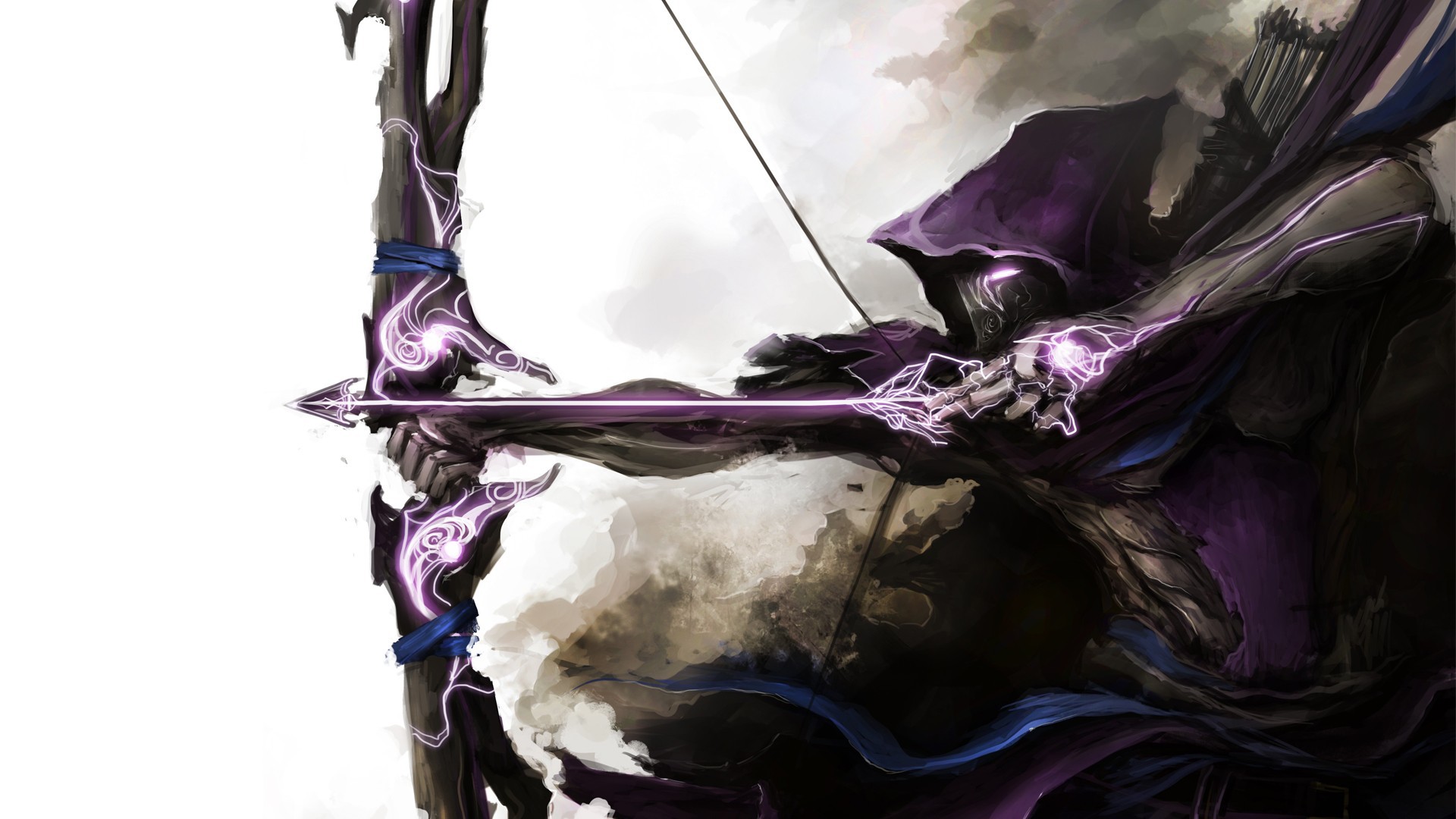
Wizard Archer!
Showing posts with label Alexander Ayer. Show all posts
Wednesday, January 15, 2014
Tuesday, December 10, 2013
The Greatness of Gandolf
I have no idea how Pippin became the second most powerful character I got in "The Return of the King" game, but he killed everything.
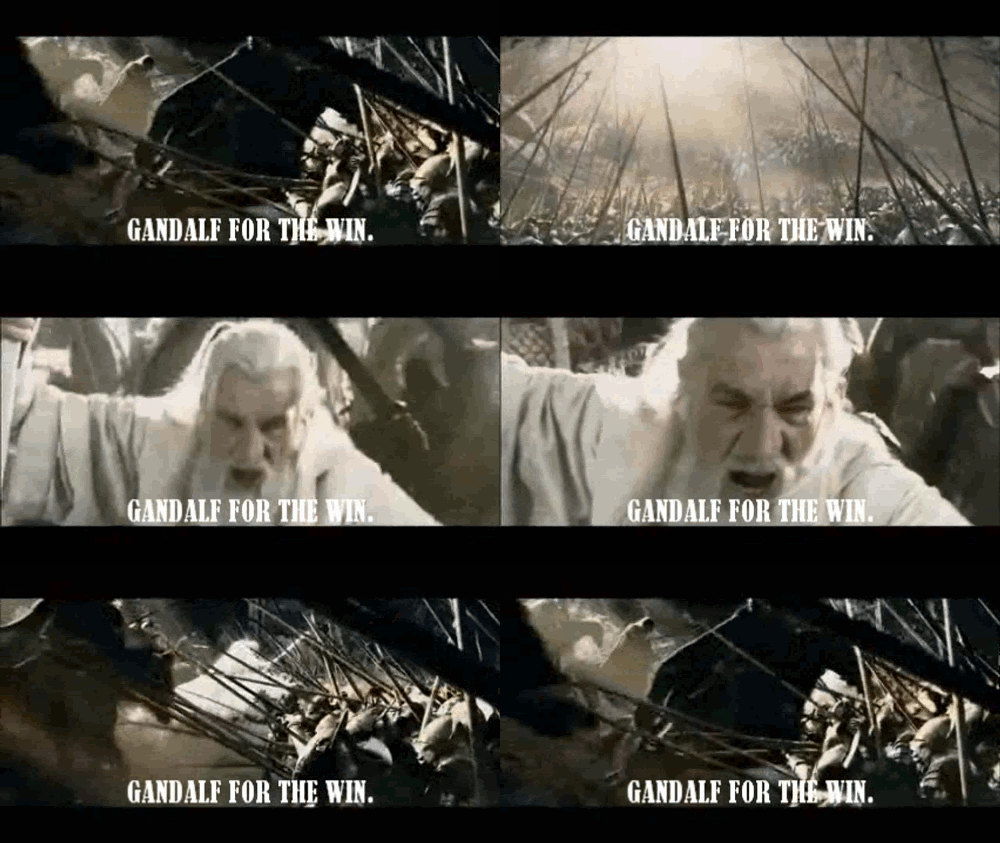
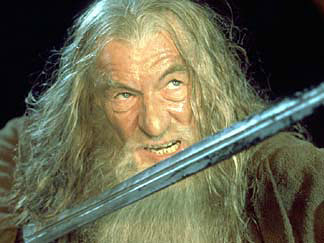
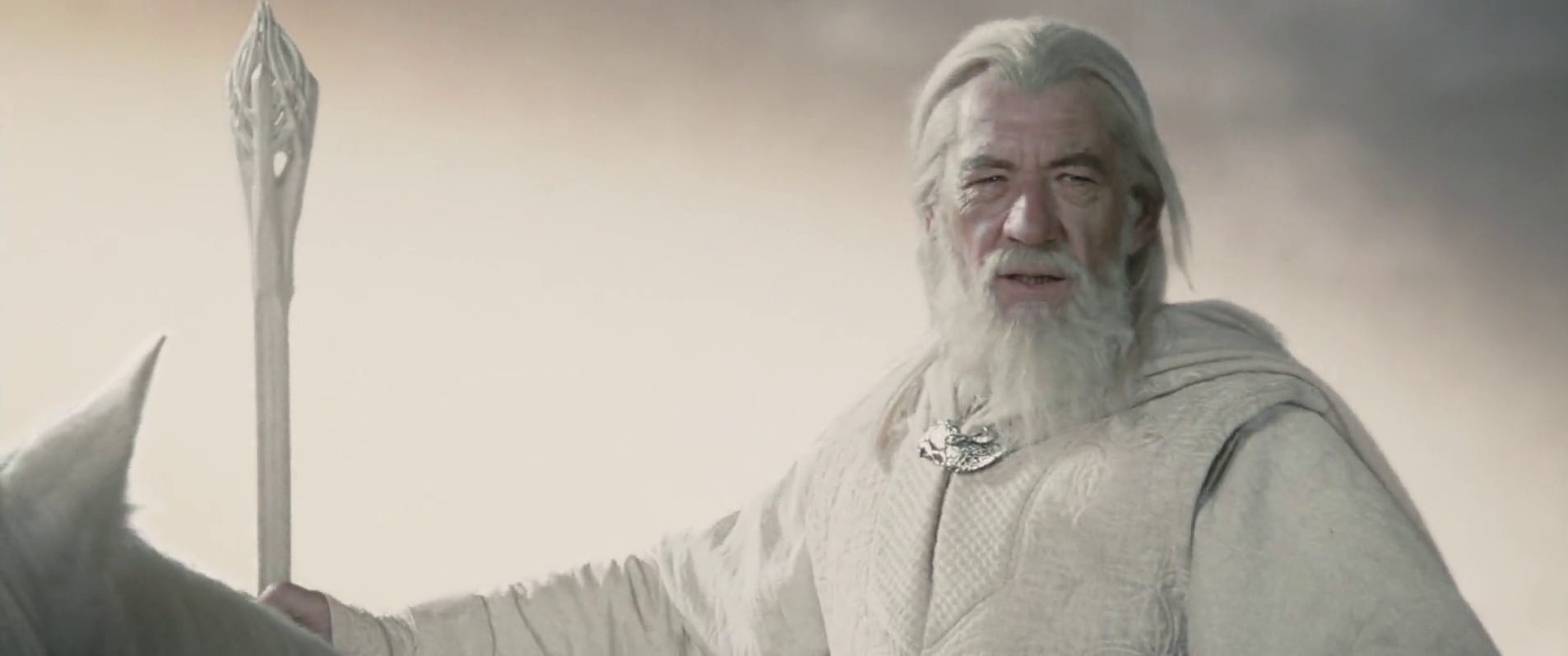
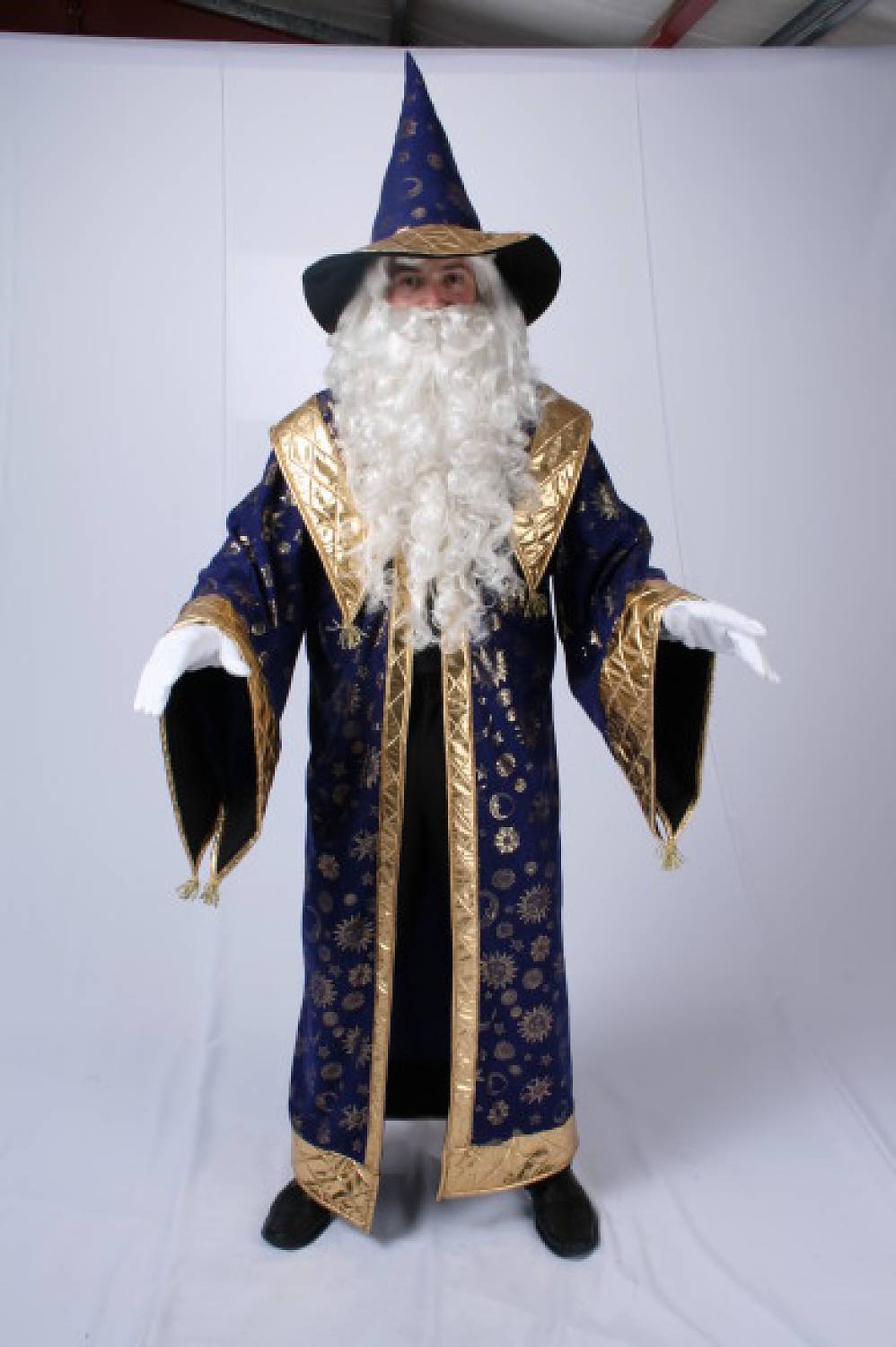
While I am not incredibly knowledgeable in Middle-Earth lore, I really do enjoy the stories. They have also played a major role in shaping how I view fantasy and wizards. Maybe this sets me apart, but when I hear wizard I don't think of Merlin, or Dumbledore, or Harry Potter. I picture this guy.
"Balrog! You made me loose my hat. I will sword you to death!!!!"
Gandalf is the quintessential good wizard for me. He is incredibly intelligent, learned, wise, magical, and willing to use his talents to advise others and to aid the greater good. Also the beard.
Furthermore, despite all of his achievements Gandalf still goes out into the world and with his boots on the ground to resolve problems. He helped guild the Fellowship in person, he fought the Balrog, and he killed what scientists have officially declared to be "a metric-hoard" of goblins/orcs. Gandalf was with the fight almost the whole time. When Gandalf did disappear from the story it was usually because he was going out to study so everyone could know what was going on, he was finding reinforcements, or he was confronting darkness somewhere else. And, if he was not doing any of those things then he was coming back to life!
Death, the destroyer of worlds, is but a minor setback for this man.
http://static1.wikia.nocookie.net/__cb20121003055425/lotr/images/4/4f/Gandalf_the_White_returns.pngSo that is really all I have to say. I think Gandalf is awesome, and I view Gandalf as the poster-wizard for magic. Oh, and in case anyone is wondering who the most powerful character in The Return of the King game was, it was Gandalf... because of course it was!
Gandalf: "I don't even use magic half of the time. It's just more sporting that way."
Sunday, December 8, 2013
Puzzled over the Possible Moral Presented in Rumplestiltskin
I think most of us have heard of the story of Rumplestiltskin before. It is a classic and well known fairy tail which. However it has captured my interest for a few reasons. First, it is one of the better known fair tales that never (as far as I know) received a Disney adaptation. Unlike the other childhood stories that we have heard in the past (Cinderella and Snow White to name a few) this one was never presented to us as a sanitized (and de-awesomed) anamated feature curtisee of Disney. Yet, we have all probably at least heard the name Rumpldtiltaskin before, if we had not heard some version of the story itself. What give it this staying power? Probably the name itself helps, as it is incredibly distictive, and the mere mention of the name to a person who has not heard the story would probably merit a re-telling.
However, what I find most remarkable about the story is not its staying power despite lacking a Disney adaptation. Instead it is that we have continued to hear it despit the fact that is has no clear moral. I have been telling several Grimm tales over the last serval days and at the end of several stories people have asked me " so what is the moral exactly?" Which caused me to automatically ask.... What the heck is the moral of Rumplestiltskin?!?
What is the lesson? It can't be "always keep your promises," because the woman clearly got out of having to give up her first born child by crying until Rumplstiltskin relented. Furthermore we, as the audience, clearly don't want the mother to be parted from her child, so keeping promises can't be it.
The moral can't be "don't boast unless you can make good on your word," because the father was the person guilty of that and it was not he that was punished for it, it was his daughter. The father also disappears half way through the story and is not heard from again (maybe his daughter was rightfully ticked off and did not want him in her life). Apart from being worried about his daughter (presumably) the father does not suffer at all. So "don't boast" can't be it.
It can't be "don't be greedy," because only the king is guilty of that and he gets everything he wants. Not once, not twice, but three times is straw turned into gold for him, he marries a woman whom he believes is capable of turning straw into gold, and he gets to keep his firstborn child. This guy gets everything he wants!
The moral can't be "don't make promises you aren't prepared to keep," because if the girl had not promised to give Rumplstiltskin her child then she presumably would have died (although he only said he would marry her is she succeeded, but I feel it's a pretty safe assumption since he threated that the two times previously). As the audience don't want an innocent prison to die because of the stupid boasts of her father, so the previously mentioned lesson does not really aply. But what is left?
Does this story even have a lesson? Does it have a moral that the audience is supposed to take away? Or is this story just .... well, a story. A series of events that capture the audience's attention and provide entertainment but achieve nothing else?
The closet thing that I can pull from it is that "good will always prevail in the end, and the perpetrators of evil will be punished for there wickedness."
This is not a bad lesson, it just feels..... broad. Compared to some more applicable morals in other stories (Snow White= your envy and jealousy will make you do bad things and may make you into a bad person) this feels more like an outlook that one it trying to impart as opposed to a directly applicable life lesson.
What do you guys think? It there a moral? Is this just a really catchy story that has survived the test of time? Is it a tale showing that good will prevail over wickedness? What is it? WHAT IS IT?!?
Although it did get a horror film adaptation. So.... that apparently happened.
However, what I find most remarkable about the story is not its staying power despite lacking a Disney adaptation. Instead it is that we have continued to hear it despit the fact that is has no clear moral. I have been telling several Grimm tales over the last serval days and at the end of several stories people have asked me " so what is the moral exactly?" Which caused me to automatically ask.... What the heck is the moral of Rumplestiltskin?!?
What is the lesson? It can't be "always keep your promises," because the woman clearly got out of having to give up her first born child by crying until Rumplstiltskin relented. Furthermore we, as the audience, clearly don't want the mother to be parted from her child, so keeping promises can't be it.
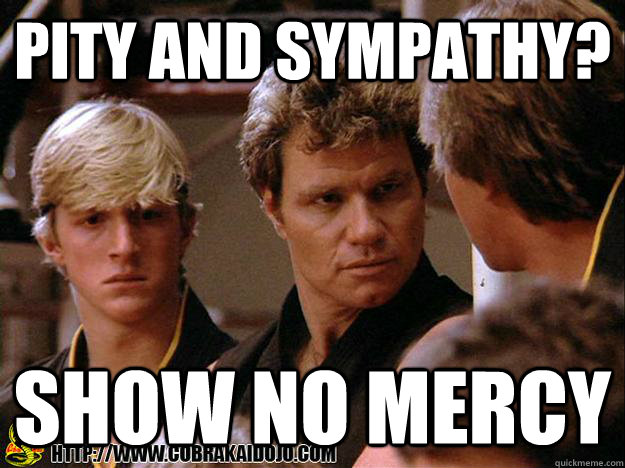
The lesson that Rumplestiltskin learned.
http://www.quickmeme.com/img/01/01a76400ed7c979aa543084630dd612e3c195fbd547202707c67829ae5940ef5.jpgThe moral can't be "don't boast unless you can make good on your word," because the father was the person guilty of that and it was not he that was punished for it, it was his daughter. The father also disappears half way through the story and is not heard from again (maybe his daughter was rightfully ticked off and did not want him in her life). Apart from being worried about his daughter (presumably) the father does not suffer at all. So "don't boast" can't be it.
On a side note, after the lady appears to have turned straw into gold the first time why does the king keep threatening to kill her? She has seemingly already done this feat once. Why risk killing the person who could potentially provide you with infinite wealth?
It can't be "don't be greedy," because only the king is guilty of that and he gets everything he wants. Not once, not twice, but three times is straw turned into gold for him, he marries a woman whom he believes is capable of turning straw into gold, and he gets to keep his firstborn child. This guy gets everything he wants!
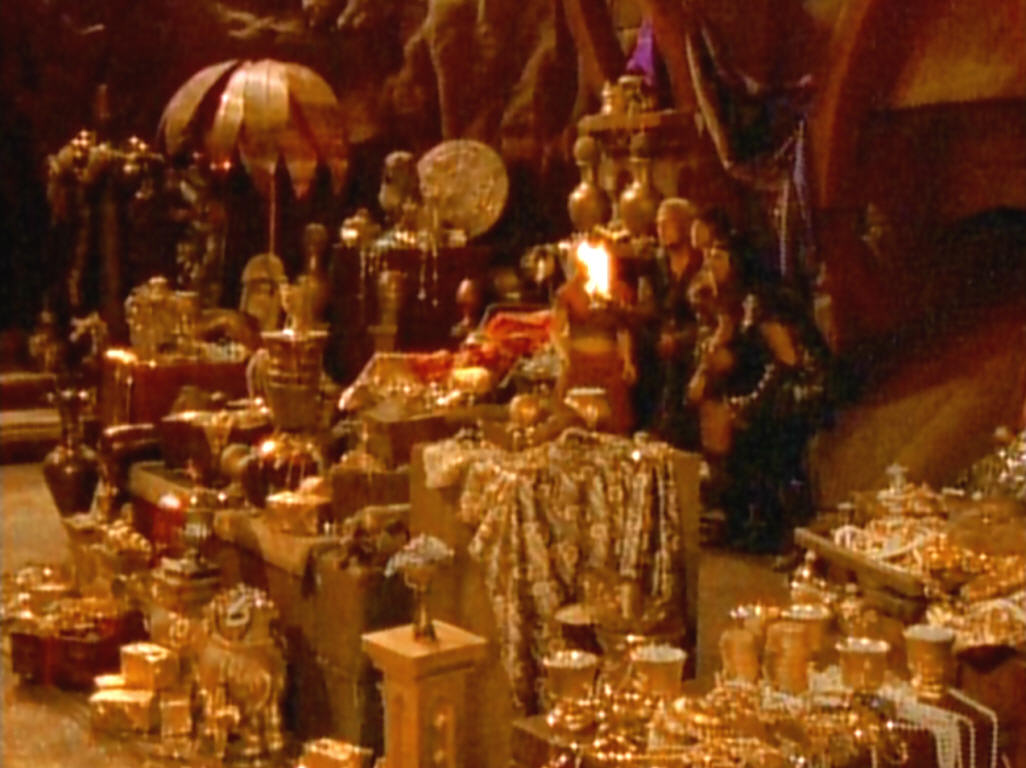
So the moral appears to be: you should seek to always appease your ever growing greed... Well that's a new one.
http://images2.wikia.nocookie.net/__cb20110123012542/hercxena/images/e/eb/Sumerian_Treasure.jpgThe moral can't be "don't make promises you aren't prepared to keep," because if the girl had not promised to give Rumplstiltskin her child then she presumably would have died (although he only said he would marry her is she succeeded, but I feel it's a pretty safe assumption since he threated that the two times previously). As the audience don't want an innocent prison to die because of the stupid boasts of her father, so the previously mentioned lesson does not really aply. But what is left?
So remember, keep your promises children, unless there is a mysterious, gold-spinning elf involved. In which case all promises, agreements, and contracts are null and void.
Does this story even have a lesson? Does it have a moral that the audience is supposed to take away? Or is this story just .... well, a story. A series of events that capture the audience's attention and provide entertainment but achieve nothing else?
Shut up children and you shall hear
A tale I'm currently pulling out of my... ear.
The closet thing that I can pull from it is that "good will always prevail in the end, and the perpetrators of evil will be punished for there wickedness."
...By ripping themselves in half!!!
This is not a bad lesson, it just feels..... broad. Compared to some more applicable morals in other stories (Snow White= your envy and jealousy will make you do bad things and may make you into a bad person) this feels more like an outlook that one it trying to impart as opposed to a directly applicable life lesson.
What do you guys think? It there a moral? Is this just a really catchy story that has survived the test of time? Is it a tale showing that good will prevail over wickedness? What is it? WHAT IS IT?!?
Good enough for me!
4 of 5
Sunday, November 24, 2013
Iron Hans! Why has Honor and High Praise not come?
This should surprise absolutely no one who was even
on the same campus as me this week. The story of Iron Hans caught my attention like nothing else has in a long time.
Although,
every time I see this picture, it comes pretty close.
However, after
retelling this story about… five times, to my family, friends, a team mate
while we were running, and to a group of people I have never actually met
before, I think I realize why this story did not catch on. To be to the point,
it is a long story with a lot of important parts to remember in order for the
story to work.
“How
dare you criticize this story! I will destroy you with my army of iron-clad
men!”
Now, I have read other
Grimms Fairy Tales that are guiltier of this than Iron Hans (I’m looking at you, King
of Golden Mountain), however when you compare it to a story like Hansel and Gretel this drawback becomes pronounced.
What would happen if you forget to mention the first part in Hansel and Gretel were Hansel thwarts
his step-mother by using flints, and instead just skipped to the bread crumbs?
Or if you forget to mention the duck that takes the children across the river,
and instead they just find their way home and they did not have to cross a
river? Does it alter the story that much… not really.
You
know, for kids who were nearly eaten by a witch living in a house made of cake,
these kids are oddly trusting of magical encounters.
Now, how about Snow
White? What If you forget to mention that Snow White let the Queen into the
house where the Queen then tried to kill her two times before the poisoned-apple
incident? Does it change the story that much? From my experience, the answer is
no.
In
fact, if you forget the first two times it kind of helps. It makes Snow White
seem like less of an idiot.
Now what about Iron
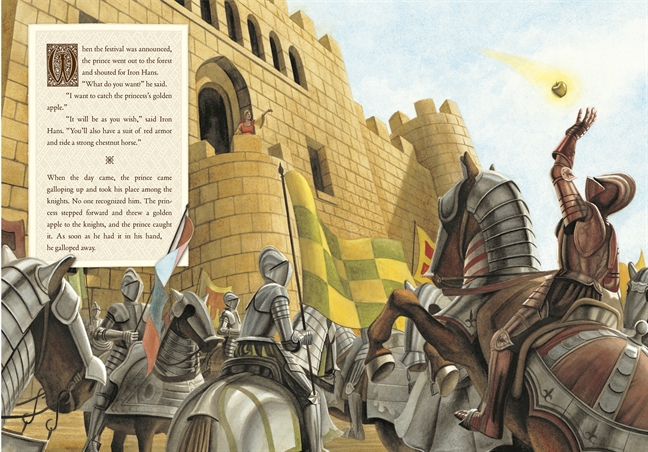
Hans? If you forget to mention that for a few years the princess stole the
Prince’s hat and saw his golden hair (which at the time seems like story-filler)?
Or that as he fled from the festival the Princess caught a glimpse of the Prince’s
golden hair? Without either of these two seemingly small details the Princess
would not be able to identify the Prince at the end of the story. You have to
remember these tiny details and when they are supposed to come up, otherwise
the story does not flow well.
“And
then, uh… did I mention the hair thing? Or that he pinched his finger? Darn it!
This story is great, please believe me!”
And
the morel? In Hansel and Gretel it
has a pretty clear message of “Stranger Danger” and the importance of cooperation
in bad situations, and yet at the same time the importance of self-reliance
(sometimes help is not coming and you have to save yourself). In Snow White the message is, again, pretty
strait forward; jealousy and envy are bad qualities which will make you do bad
things and will ultimately make you a bad person. (If taken literally, a bad
person who will be forced to dance to death while wearing red-hot iron shoes.)
In contrast I find myself having to justify my moral interpretation of Iron Hans every time I tell the story.
In the end, I think the only obvious, clear-cut message in this story is that
is awesome to know or to be Iron Hans.
“And
what is wrong with that?”
Again, I really do
enjoy this story, and will continue to sing its praises. There might even be an
expanded story that I will work on, or a sequel. Iron Hans II: The Re-Ironing! (working title). However, after retelling Iron Hans a few times, I can see why it was really popular (enough
to attract the Grimm brothers to record it and include it in their works), but also
why the tale has not gotten more attention. It is to this end that we must now
act. I call upon every man, woman, and child who has heard of the awesomeness
that is Iron Hans to spread the word
and drum up support! Together we can be the Iron Army of Iron Hans!!!!
Post 3 of 5
Monday, November 11, 2013
Mediation Might be Needed for Merlin and Me
We are moving away from Merlin now. However, before we are to far from him I had a few thoughts on Merlin (the TV show). I watched the first episode and had a mixed reactions. So I decided to watch a few more to get a better picture of the show and... it did not improve for me. I understand that a lot of people like it, and I will admit that there are a few parts I enjoyed (specifically I really liked the character of Gaius)
However, there were a couple of this that really bothered me. It is not that I have a problem with a reinvasioned story, or the telling of a story from a different perspective. The story of a young Merlin, where he is the focus, has potential for me. My problems with the show had to do with some issues and inconsistencies about armor, plot features, and some of the actions taken by characters that don't make since to me. However, that is not what I wanted to talk about, and I will spare you my thoughts on this unless someone specifically wants to hear about them. But that is probably about as likely as....
That's right, don't judge me.
However, there were a couple of this that really bothered me. It is not that I have a problem with a reinvasioned story, or the telling of a story from a different perspective. The story of a young Merlin, where he is the focus, has potential for me. My problems with the show had to do with some issues and inconsistencies about armor, plot features, and some of the actions taken by characters that don't make since to me. However, that is not what I wanted to talk about, and I will spare you my thoughts on this unless someone specifically wants to hear about them. But that is probably about as likely as....
... This... happening again.
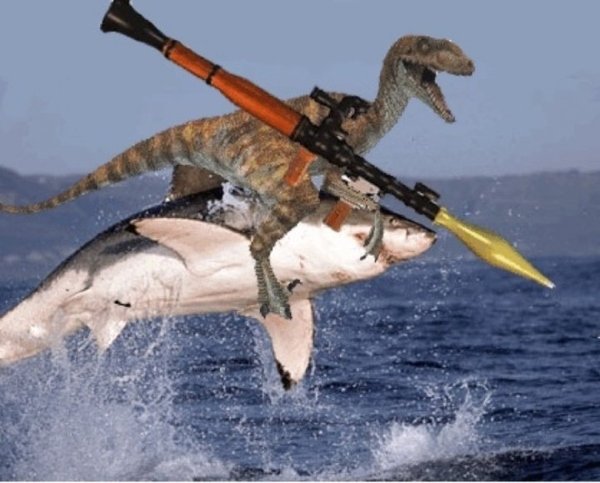
The thing that I wanted to talk about (which only took me two paragraphs and one shark to get at) is Merlin himself. In the show he struck me as, well... kind of an idiot. He does things that make no since at the time (telling a prince what to do, then after find out he is a prince Merlin continues to mess with him), does not follow simple directions (stay out of trouble and don't do magic in public), and it frequently comes back to bite him (There was one episode were every other scene shows Merlin in the stockades). Yet he really never learns. At first I chalked this up to, well, stupidity. But during our class discussion I had a thought.
What if "I Can't Believe It's Not Butter" is really butter?
Many of Merlins actions make little to no sence in his time, some unspecified point in the middle Ages/fantacy world, but they make more sence for a person in our own time. Think about it. Merlin sees a guy forced to carry around a target so Arthur, a man clearly so some significant social status, can throw knives at a moving target. So Merlin, with little to no social status, goes to tell Arthur to lay off the guy. A medieval person would obviously see Arthur in this moment as a jerk (and probably mock him for it later), and they would sympathize with the poor guy Arthur was tormenting. But to go right up to Arthur's face and tell him off in the way Merlin did, was to suppose a kind of egalitarianism that was not widely endorsed at the time (whenever it was). Who is Merlin to talk to Arthur like that, especially after finding out Arthur was a prince.
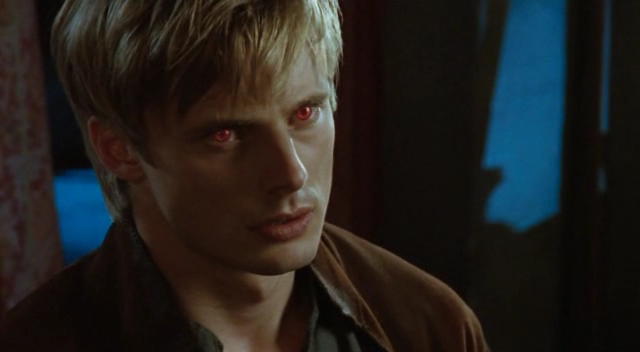
"How dare you think you have the right to point out I am a jerk! Who do you think you are? A person capable of morality and independent thought?! Away with you peasant, before I laser-eye you!"
However, it makes much more since when you look at Merlin, not as a medieval person, but a person with modern values who happens to be in the Middle Ages. He believes, as we tend to that people should be viewed as equals. Thus Merlin believes that no man should be above the consequences of his actions, no matter the possession he has in society, and so Merlin was willing to stand up for that poor un-named character that Arthur was harassing. In doing so he easily identifies himself as a character that modern audiences can identify with more easily with. Also, by doing this Merlin demonstrates his willingness to stand up for others, again, making it easier for the audience to sympathize with him and rout for him. Thus some of the actions that I previously wrote off as Merlin being stupid, I now see as features that may have been given to him to make Merlin a more relatable and sympathetic character for our own time.
Although honestly, can't they give him the hat back? That hat is the cat's pajamas!
2 of 5
Friday, November 1, 2013
Medeival Musings: Merlin's Magic
I probably got something a little different out of the Prose Merlin then anyone else in class. Primarily because I have read it before, so it was not so much me seeing a new side to Merlin as it was revisiting some of the crazier shenanigans that I had forgotten about. Not so much like a behind the scenes exclusive as it was just re-watching a movie I had not seen in a while.

Seriously? How could I have forgotten that Merlin built Stonehenge?
However, I think that this story helps to back up a point that I made before. For much of the Middle Ages magic was not that big of a thing, it was more important how one used it. We have seen this with court astrologers and other supposed magic users who entertained and provided council to the nobles of western Europe. Likewise, Merlin was not condemned for his prophesies, or other magical actions in this story. The only challenge Merlin regularly experiences in this story is not people condemning his magic, but accusing him of being a fraud.
"I don't believe you, miraculous talking baby! How could you possibly have magical powers, and thus know the village priest is my father?"
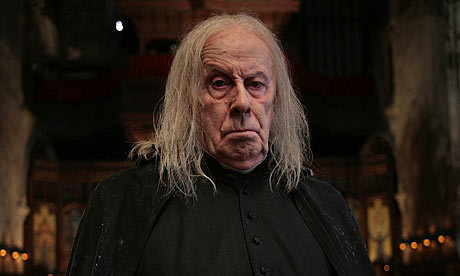
Furthermore, no one even tries to persecute Merlin for being fathered by a demon. As we have seen in many later texts, like the Malleus Maleficarum (I'm sorry I keep bringing it up, but gosh darn it, I read about 100 pages of that book and I am going to use it!) there was concern that witches would allow demons to sire children, that the witchs would then use to offer to Satan as sacrifices or future servants. Yet even this, being sired by demons, was not enough to label Merlin as a servant of evil, because God had intervened, thus giving Merlin the ability to choose his fate and thus free will. The only person who actually seemed to scorn Merlin for his demon lineage was Niviane, and I really think that had more to do with the fact that Merlin (an old man) was hitting on Niviane (a 15 year old girl) (page 362).
Just saying, that when you're a 15 year old girl you're probably not going to be very keen to get that kind of attention from this guy.
So, again, I think this text is a good example that in the earlier Medieval period (as in pre-1350s or so) magic itself did not come with the cultural scorn that it would later acquire. In this earlier time, it was to what end one used magic that was important.
1 of 5
Sunday, September 29, 2013
Mischievous Magic: Kramer and Sprenger Did Not Get The Joke
Before I begin, I would like to credit one person who, in my excitement, I forgot to mention in my presentation. I would like to thank my friend Stephan Vandevander (Lord Morien MacBain), who lent me supplementary reading material about witchcraft, and an actual copy of the Malleus Maleficarum. I also meant to say "and as my friend, the Honorable Lord Morien MacBain says, there are peasants killing the chivalry of Europe.... This can't be God's plan!!" However, I neglected to credit him in that phrase and for that I apologize. I am very grateful for his help.
Now that that is done onto my main point. There is a portion of the text that contains a passage that I am sure was a joke. I don't mean a joke in the sense that it is really bad logic, or an example clearly taken out of context to prove a point (thus making it a joke of an argument). I mean that there is literally a joke in the text that Kramer and Sprenger cite as an example of witchcraft supposedly in the real world. The passage in Question is on page 203.
"For a certain man tells that, when he had lost him member, he approached a known witch to ask her to restore it to him. She told the afflicted man to climb a certain tree, and that he might take which he liked out of a nest in which there were several members. And when he tried to take a big one, the witch said: You must not take that one; adding, because it belonged to a parish priest." (Page 203)

Either someone brought Kramer and Sprenger this tale and somehow manage to convince them that it was 100% legitimate, or (I think more likely) these two were so joyless that they literally did not know a joke when they heard one. I say this because they treated everything in this book completely seriously; despite the fact that, even back when this text was written, there were people who would have seen some of this as weird and/or comical. There are several examples in the text that could be seen as humorous, but Kramer and Sprenger didn't even acknowledge it. I can't recall one instance where they wrote anything like “Despite how strange this seems, it really happened and it is a subject to be treated seriously.” They just plow straight through as though there was nothing possibly amusing in the least about anything that they were writing. Which is why I feel that, even when presented with something that was meant to be a joke, Kramer and Sprenger failed to see any humor in it.

Behold his awesomeness and tremble!!!
Credit for photo goes to Sam Silva
Now that that is done onto my main point. There is a portion of the text that contains a passage that I am sure was a joke. I don't mean a joke in the sense that it is really bad logic, or an example clearly taken out of context to prove a point (thus making it a joke of an argument). I mean that there is literally a joke in the text that Kramer and Sprenger cite as an example of witchcraft supposedly in the real world. The passage in Question is on page 203.
"For a certain man tells that, when he had lost him member, he approached a known witch to ask her to restore it to him. She told the afflicted man to climb a certain tree, and that he might take which he liked out of a nest in which there were several members. And when he tried to take a big one, the witch said: You must not take that one; adding, because it belonged to a parish priest." (Page 203)
.......... That passage was a joke. Seriously, it was a
joke. The reasons I believe this include:
1. Unlike the examples that are given on pages 199-202, no
specific names or locations are mentioned. Thus it does not have any actual information that could be used to properly document or verify the story. This passage could easily apply
to anyone, anywhere, in any situation. Thus it has greater mass appeal, which is useful for a
joke.
2. It lays out the situation quickly, so that it can hold
the audience's attention without wearing out its welcome... like the structure of a good joke.
3. It has some social commentary in it (the
"member" can only be taken from those who have been doing sinful acts
with their "member," and somehow the priest's "member" ended
up in the tree with the rest (page 202-203)). Social commentary is a feature found in many
jokes, especially in political satire.
4. It even has a punch line! "You must not take that
one (the big member); adding, because it belonged to a parish priest."
(page 203)
Kramer and Sprenger treated the example above as just another
serious example of witchcraft around them; however, because of all of the
reasons I just mentioned, I believe this this passage was originally intended
to be a joke. So what happened?
"Oh no! I sent them the wrong bird. They're going to get the one with my indecent, witch-based humor! Quick get it back!!!"
http://www.abc.net.au/news/image/4349216-3x2-940x627.jpg
Either someone brought Kramer and Sprenger this tale and somehow manage to convince them that it was 100% legitimate, or (I think more likely) these two were so joyless that they literally did not know a joke when they heard one. I say this because they treated everything in this book completely seriously; despite the fact that, even back when this text was written, there were people who would have seen some of this as weird and/or comical. There are several examples in the text that could be seen as humorous, but Kramer and Sprenger didn't even acknowledge it. I can't recall one instance where they wrote anything like “Despite how strange this seems, it really happened and it is a subject to be treated seriously.” They just plow straight through as though there was nothing possibly amusing in the least about anything that they were writing. Which is why I feel that, even when presented with something that was meant to be a joke, Kramer and Sprenger failed to see any humor in it.
Nope, there is nothing funny about this at all. Move along citizens.
I get the feeling that these two
are the kind of guys that if you asked them "Why did the chicken cross the
road?" They would say "The better question is: how did the chicken
escape from its pen? I shall tell you. It is because the devil has sent agents
among us to attack farmers and steal out livestock!" Then they would write
a 150 page long book on the subject, in which they still manage to have a 75 page long rant about the inherent wickedness of women. This book would be
guild to hunt down the devil's cattle thieves and help track down chickens in the act of
crossing roads.
"Come back chicken! You will not escape the Inquisition!!!"
Sunday, September 8, 2013
One Man's Musings on Magic in this Medieval Poem: Sir Gawain and the Green Knight
This probably my fourth
or fifth time reading this passage of Gawain and the Green Knight and I always
get a kick out of it.
There were a few
moments that really captured my attention. For example, the Green Knight was
surprised that no one took up his challenge (on lines 301-315). A giant green
man on a giant green horse burst into the great hall with no warning, issued
his challenge (which involves taking turns being hit with a huge sharp ax), and
he was surprised that the crowd hesitated? I would not be surprised if a few
knights suspected something.
<http://cdn.instanttrap.com/trap.jpg>
At least from my perspective, if some guy
bursts into my dining area and asks casually if I want to do something that
should kill him, and then afterwards he will get to do that thing to me, I’m
going to think some shenanigans are involved.
Although,
I don't know.... This guy looks trustworthy.
<http://api.ning.com/files/YT1pzXfaiucsJdwdca-ZO5Qv8ISow1CjJD2vT8pnUCDPXtRnl86QUgEehhbpEVP8hCQ0CLuNueI*KnuRabEfGpwdu-aNwxZq/knightimage.jpg>
On an even odder note,
after Gawain decapitates the Green Knight, and the Knight rides off carrying
his own still speaking head, King Arthur and Gawain just start laughing. On
lines 462-464 it reads "What thenne? / The Kyng and Gawen thare / at that
grene thay laghe and grene" or, in the translated version, it reads
"and then? / Well with the green man gone / they laughed and grinned
again." This part of the story just fascinates me. A giant green man came
out of nowhere, survived being beheaded thus spelling doom for Sir Gawain, and
everyone including Gawain just shrugs it off. Granted Arthur was a little
surprised, but that's it. According to the translation "Arthur was
awestruck at heart" (line 467). He is not worried or concerned for Gawain, Arthur was just
surprised. This must be the ultimate testament to the weird stuff that the
Knights of the Round Table deal with on a regular basis, because everyone’s
repose to this whole situation was essentially "Well... that just happened.
On with the feast!"
The
Green Knight probably seemed pretty strait forward when compared to this
anyway.
<
https://upload.wikimedia.org/wikipedia/en/2/24/Rabbitattack.jpg>
Overall
I think this passage, and the entire text in general, tends to reflect the idea
that in the late 14th century magic was not yet viewed as inherently
evil. When the knight first arrived, as unworldly as he appeared and armed with
a huge ax, Arthur’s first reaction (on lines 250-255) was to offer him a kind
greeting and hospitality. One does not usually respond this way to a person one
suspects could be an agent of evil. Even after the knight was decapitated, thus
demonstrating supernatural powers of some kind, no one shouts “sorcery!” and
goes to burn him. Instead, everyone had a good laugh at this remarkable
occurrence and got on with the feast.
Magic in this story
seemed to be treated as either a neutral force (neither inherently good nor
evil), or at the very worst magic was viewed as mischievous in nature. I believe
this because despite the fact that the Green Knight was clearly magical, he was
not treated as a force of evil. The Green Knight was actually treated very well
until he started to mock the honor of Arthur’s court. The Green Knight was
extended hospitality, allowed to issue his unusual challenge, and then leave
once the challenge was done without anyone trying to tie him to a stake and set
him on fire.
The
magical powers are one thing, but there is no excuse for poor table manners.
<http://static.guim.co.uk/sys-images/Admin/BkFill/Default_image_group/2011/2/18/1298031677605/Tyndale-at-the-stake-007.jpg>
This is why I believe,
based on the text that we read, in the 14th century magic was not yet viewed as
inherently evil. On a closing note, I
invite you to witness the disembodied taking head of the Green Knight, as
played by Sean Connery in what seems to be a really cheesy film from the 1980’s.
This actually happened.
<http://image.toutlecine.com/photos/s/w/o/sword-of-the-valiant-1982-04-g.jpg>
Subscribe to:
Posts (Atom)